
What specifications matter for certification labs?
| Component | Practical baseline | Why it matters |
|---|---|---|
| RAM | 16GB minimum; 32GB preferred for multi-VM labs | VMs and Kubernetes nodes consume memory quickly |
| CPU | Modern multi-core x86-64 or supported ARM platform | Virtualization and container workloads benefit from several cores |
| Storage | 512GB SSD or more | VM images, snapshots and ISOs grow quickly |
| Networking | Well-supported Wi-Fi plus wired option | Networking labs are easier with predictable interfaces |
Current computer families to compare

Lenovo ThinkPad T14 Gen 5
The ThinkPad T14 Gen 5 family appears in Ubuntu’s certified-laptop database. Verify the exact configuration.
View current Amazon listing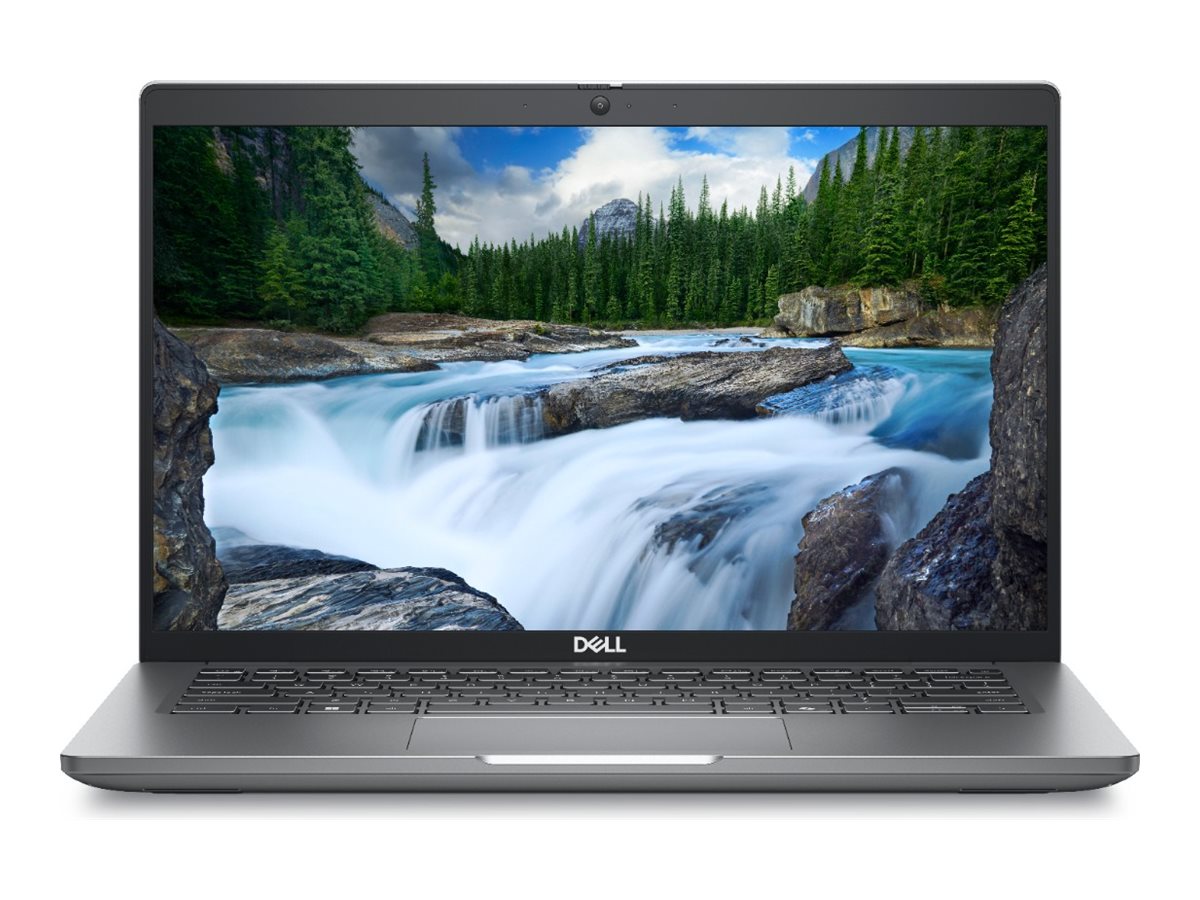
Dell Latitude 5450
Ubuntu lists multiple Latitude 5450 configurations as certified. Verify the exact configuration.
View current Amazon listing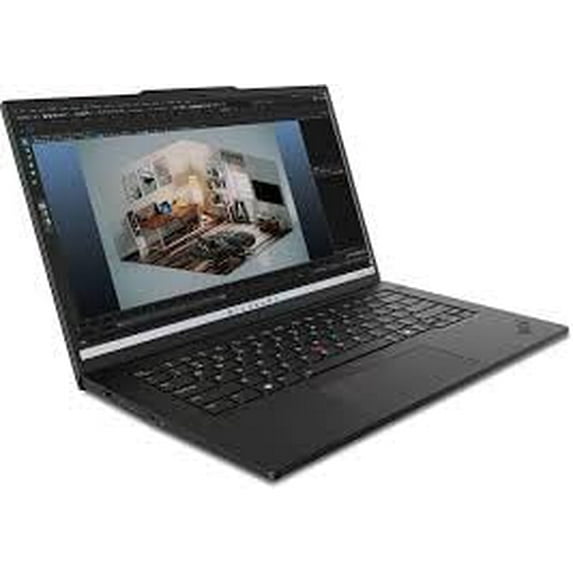
Lenovo ThinkPad P14s Gen 5
Ubuntu lists ThinkPad P14s Gen 5 configurations; verify the specific processor, wireless and graphics combination.
View current Amazon listing
Lenovo ThinkPad X1 Carbon Gen 12
Ubuntu lists certified ThinkPad X1 Carbon Gen 12 configurations. Match the exact Amazon variant to the certified hardware details.
View current Amazon listingWhy exact configuration matters
Laptop model names can cover different Wi-Fi chipsets, GPUs, fingerprint readers and other components. Treat an Ubuntu-certified family as useful evidence, then verify the exact configuration sold in the current Amazon listing before purchase.
Should you buy a new computer just for certification?
Usually not. If your existing system can run the required VMs or local Linux installation reliably, spend time on practice first. Upgrade when RAM, storage or unsupported hardware is materially blocking your labs.
Frequently asked questions
Is 16GB RAM enough for Linux certification labs?
For many single-VM Linux administration labs, yes. Multi-node Kubernetes or several simultaneous VMs are more comfortable with 32GB.
Does Ubuntu certification guarantee every variant works?
No. Certification applies to specific tested configurations. Compare the exact processor, wireless, graphics and other hardware against the certification record.
Should you prefer a laptop that ships with Linux?
It can reduce compatibility uncertainty, but a well-documented certified configuration is also a strong choice.