Which Linux certification book should you choose?
| Goal | Best type of book | Why |
|---|---|---|
| LFCS | Command-line + systems administration reference | LFCS is performance-based, so practical task fluency matters more than memorizing a proprietary question bank. |
| Linux+ | Current XK0-006 study guide + broad Linux reference | Use the exam guide for objective coverage and a durable reference for deeper understanding. |
| RHCSA | Current RHEL 10 / EX200 guide | RHCSA is platform-specific; an older RHEL edition should not be presented as current preparation. |
| LPIC-1 | Current 101-500 / 102-500 guide | LPIC-1 spans two exams and rewards structured coverage of the published objectives. |
Current Linux books worth considering
Use current exam-specific books for objective coverage and durable Linux references for the underlying administration skills that outlast one exam version.
Some links in this section are affiliate links, and LinuxCertifications.net may earn a commission.

Command-line foundation: The Linux Command Line, 3rd Edition
A durable command-line reference for shell navigation, files, text processing and scripting. It supports hands-on practice across Linux+ and Linux Foundation-style administration work without pretending to replace current exam objectives.
View on Amazon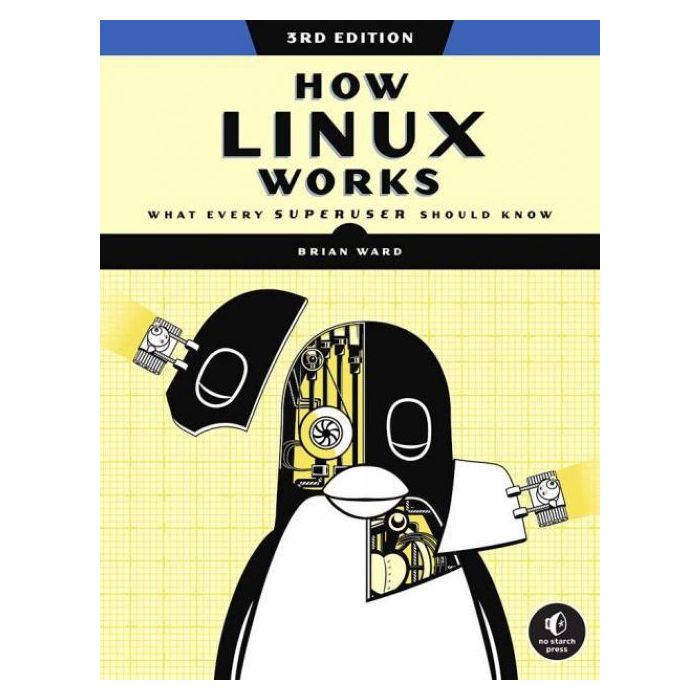
Systems-understanding pick: How Linux Works, 3rd Edition
A strong systems reference for learners who want to understand why Linux behaves the way it does, not just memorize commands. Useful alongside practical labs for administration-focused certifications.
View on Amazon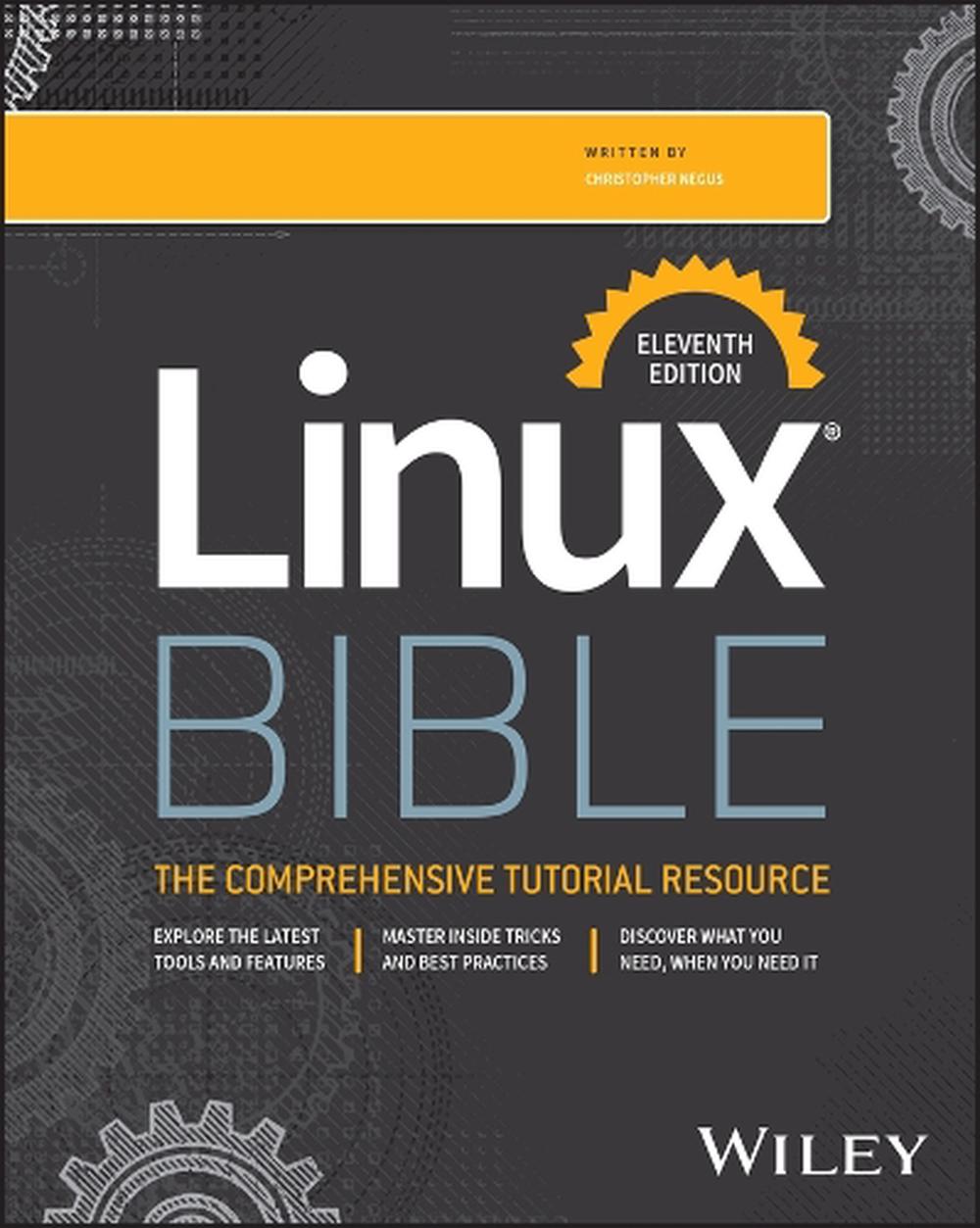
Broad administration reference: Linux Bible, 11th Edition
A broad Linux administration reference updated for modern Red Hat, Ubuntu and Fedora environments, with expanded cloud and administration coverage. Best used as a lab companion rather than as a substitute for a certification issuer’s live objectives.
View on Amazon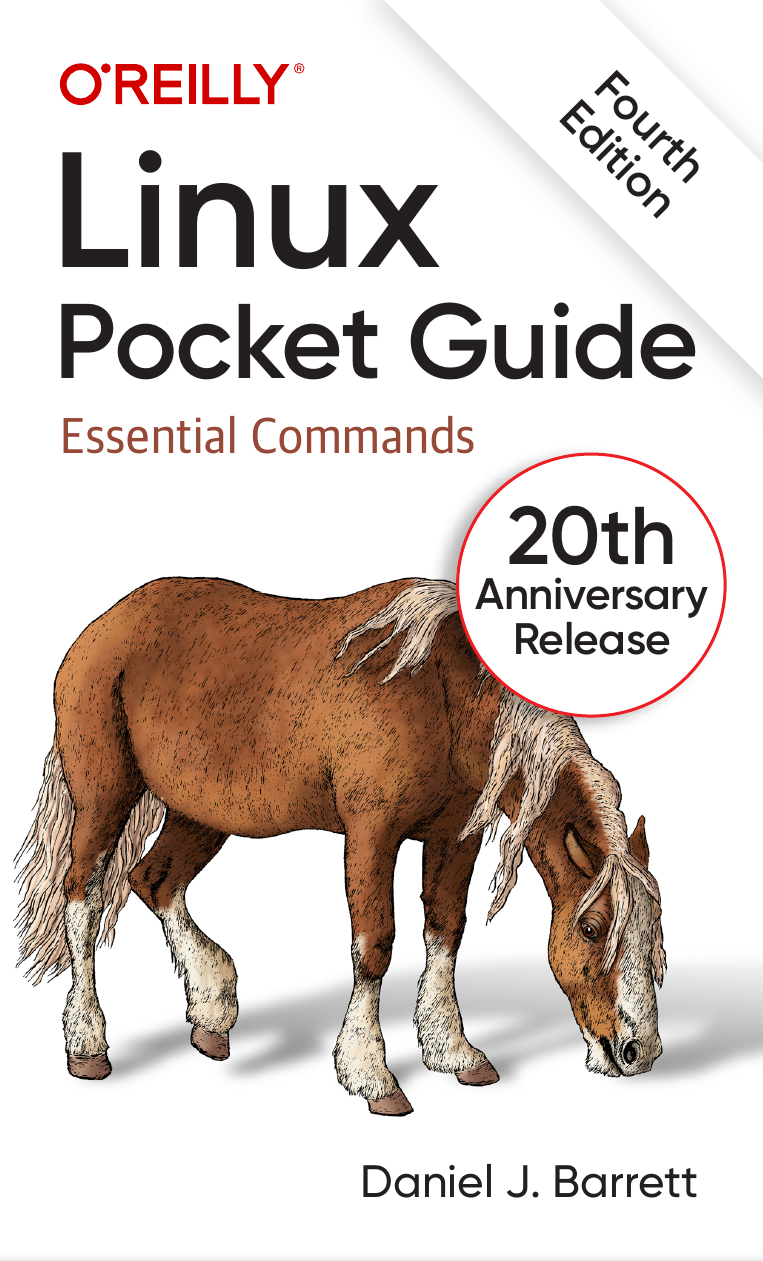
Quick command reference: Linux Pocket Guide, 4th Edition
A compact fourth-edition command reference for fast lookup during terminal practice, covering core commands, administration, storage, networking and common modern workflows.
View on Amazon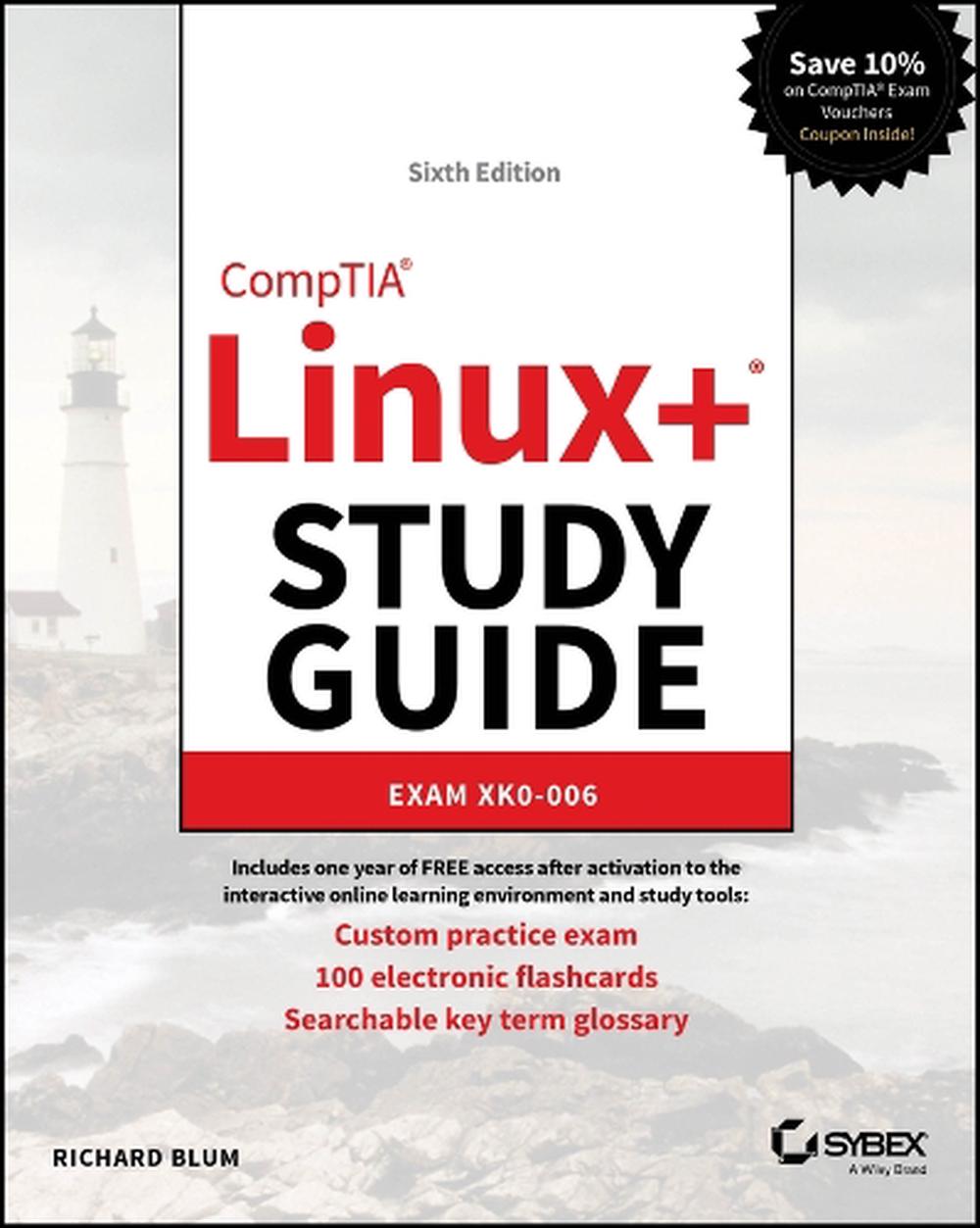
Current Linux+ book: CompTIA Linux+ Study Guide for XK0-006
Use this when the study plan specifically targets CompTIA Linux+ XK0-006. It provides structured exam-oriented coverage; keep CompTIA’s live objectives beside it and use hands-on labs for retention.
View on AmazonCurrent RHCSA book: Red Hat RHCSA 10 Cert Guide: EX200
A current RHCSA 10 / EX200 guide built around RHEL 10 administration tasks, review questions and hands-on practice. Use Red Hat’s live EX200 objectives as the final authority for version-specific requirements.
View on Amazon
Current LPIC-1 book: Study Guide for 101-500 and 102-500
A structured LPIC-1 guide organized around exams 101-500 and 102-500. Pair it with terminal practice and recheck LPI’s live objectives as the authoritative scope.
View on AmazonHow should you use books for LFCS?
Use a command-line reference to build speed with file operations, permissions, processes, storage, networking and shell work, then practice the current LFCS competencies in a disposable lab. A book can teach Linux well without being a complete LFCS curriculum.
Which book should you use for Linux+?
For the current Linux+ route, match any exam-specific guide to XK0-006 and keep the live CompTIA objectives beside your study plan. A broad Linux reference helps when an exam guide explains what to know but not why the system behaves that way.
Which book should you use for RHCSA?
For RHCSA, version alignment matters. Prefer a guide that explicitly targets the current EX200 platform. Use hands-on practice in RHEL-compatible lab environments rather than treating a book as a substitute for terminal work.
Which book should you use for LPIC-1?
LPIC-1 uses two exams, so a structured certification guide can be useful for coverage tracking. Pair it with command-line practice and compare every exam-specific chapter against LPI’s current published objectives.
What about LFCE books?
How were these books selected?
- Current edition or current exam-version alignment where the book is certification-specific
- Clear relevance to Linux administration, command-line work or the named certification objectives
- Durable technical value beyond a single exam when possible
- No reliance on copied Amazon reviews, star ratings or invented first-hand testing
Frequently asked questions
Do you need a book to pass a Linux certification?
No. Books are optional study aids. The certification issuer defines the current objectives, exam rules and permitted resources.
Is one Linux book enough for every certification?
No. Durable Linux books can support several paths, but exam-specific material needs to match the current certification version and objective set.
Should you buy an older edition if it is cheaper?
Only if you understand which material remains durable and which exam-specific sections are outdated. For current exam prep, version alignment matters.